Laser treatment for pigmentation
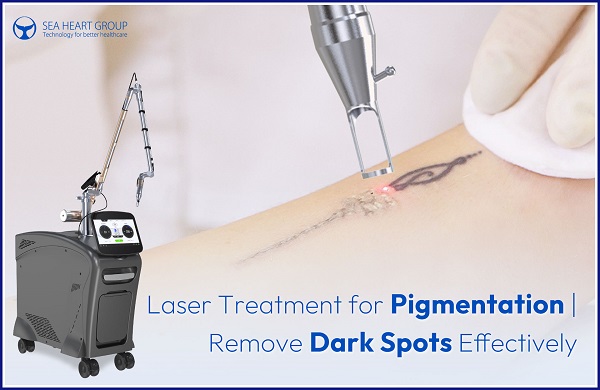
One of the most common requests in aesthetics is the removal of “Brown spots” and other pigmented lesions. Because all pigmented lesions contain the light absorbing pigment melanin, lasers are often used to selectively target pigment whilst sparing surrounding normal structures.
What causes pigmentation?
Melanin is the primary determinant of skin colour. It is also found in hair, and underlying the iris of the eye, and, therefore, also determines hair and eye colour. It is an effective absorbent of light and is, therefore, able to protect skin from the effects of exposure to sunlight (ultra violet radiation).
Although, in general, humans possess similar concentration of melanocytes (melanin producing cells) in their skin, the melanocytes respond to both genetics and the environment.
As a result, genetically, the melanocytes in some ethnic groups produce far more melanin resulting in darker skin types. Environmentally, some people have high levels of exposure to sunlight (ultra violet radiation) and the melanocytes are stimulated to increase melanin production resulting in tanning.
Common pigment problems include:
Brown age spots – commonly referred to as liver spots or lentigines. These are a build up of pigment in the upper layer of the skin, as a result of exposure to sunlight. They can occur on any part of the body that has been exposed to the sun, but are most common on the face, neck, chest, back, forearms and hands.
Freckles (epithelides) – are small, concentrated spots of pigment that are stimulated by the sun but remain in fixed locations on parts of the body most frequently exposed to the sun
Café-au-lait spots – these can be variable in size (ranging from small to large) but all have the distinctive light brown colour of milky coffee. They can appear anywhere on the body.
Melasma – is a common skin condition in which melanocytes overproduce melanin secondary to sun-exposure, hormonal drugs (certain oral contraceptives) or pregnancy resulting in brown or greyish patches of pigmentation most commonly developing on the face.
The benefits of laser treatment
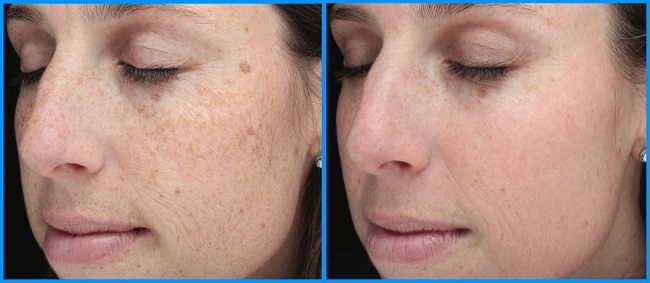
Lasers are an ideal choice for treating pigment problems, as they can accurately target and destroy the darker, pigmented area without causing collateral damage to the immediate, surrounding skin. The pigment melanin absorbs the laser light, which is then converted into heat, thereby causing the dark, pigmented area to break up and disperse.
The complex choice of which laser to use in the treatment of a pigmented lesion is often taxing for the most experienced laser physician. It depends on numerous factors including the type and depth of the lesion, its size and location and the patients underlying skin type. It is important that intervention does not make matters worse. A full medical consultation with a doctor is in our opinion mandatory for diagnosis confirmation, and exclusion of pigment problems associated with malignancy such as melanoma.
Advanced laser technologies
SEA HEART Group has the most advanced Pico, Q switched and Long Pulsed lasers ensuring optimal results and maximum safety for our clients. Our technologies include:
IPL 540-950nm / 570-950nm light source
Er Yag 2940nm
SEA HEART GROUP's laser devices for treating pigmentation have obtained multiple international certifications such as FDA and CE.
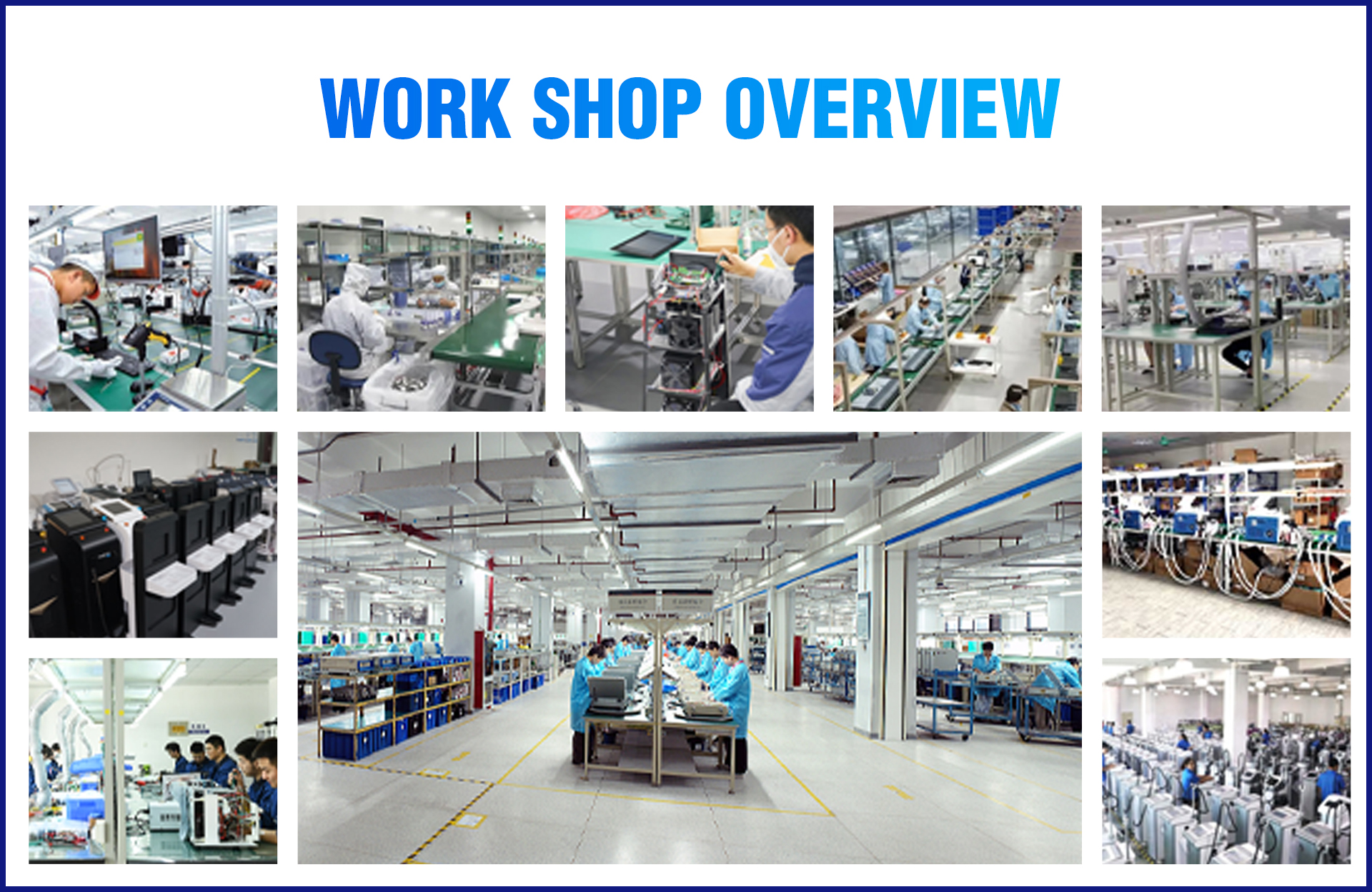
SEA HEART GROUP is a renowned manufacturer of advanced aesthetic and medical devices. Driven by cutting-edge technology and leveraging strong R&D expertise, SEA HEART is committed to providing high-quality, cost-effective, safe, and reliable medical aesthetic equipment. Through rigorous quality control, SEA HEART has achieved ISO13485 international quality management certification, as well as numerous international certifications such as CE, TGA, and FDA, as well as numerous design patents. Its products are successfully exported to over 200 countries and regions, creating exceptional value for millions of users worldwide.

 English
  Español
  Русский


 Dubai Derma 2026
 BeautyEurasia 2026 in Turkey
 Best Body Slimming Machines for Clinics in 2026
 Top 10 Aesthetic Equipment Suppliers in China (2026 Edition)

